
Platelet-Rich Plasma (PRP) Therapy for Pets
Platelet-rich plasma (PRP) therapy is an advanced regenerative treatment that may be used to support healing, improve comfort, and help manage certain orthopedic and soft tissue conditions in pets.
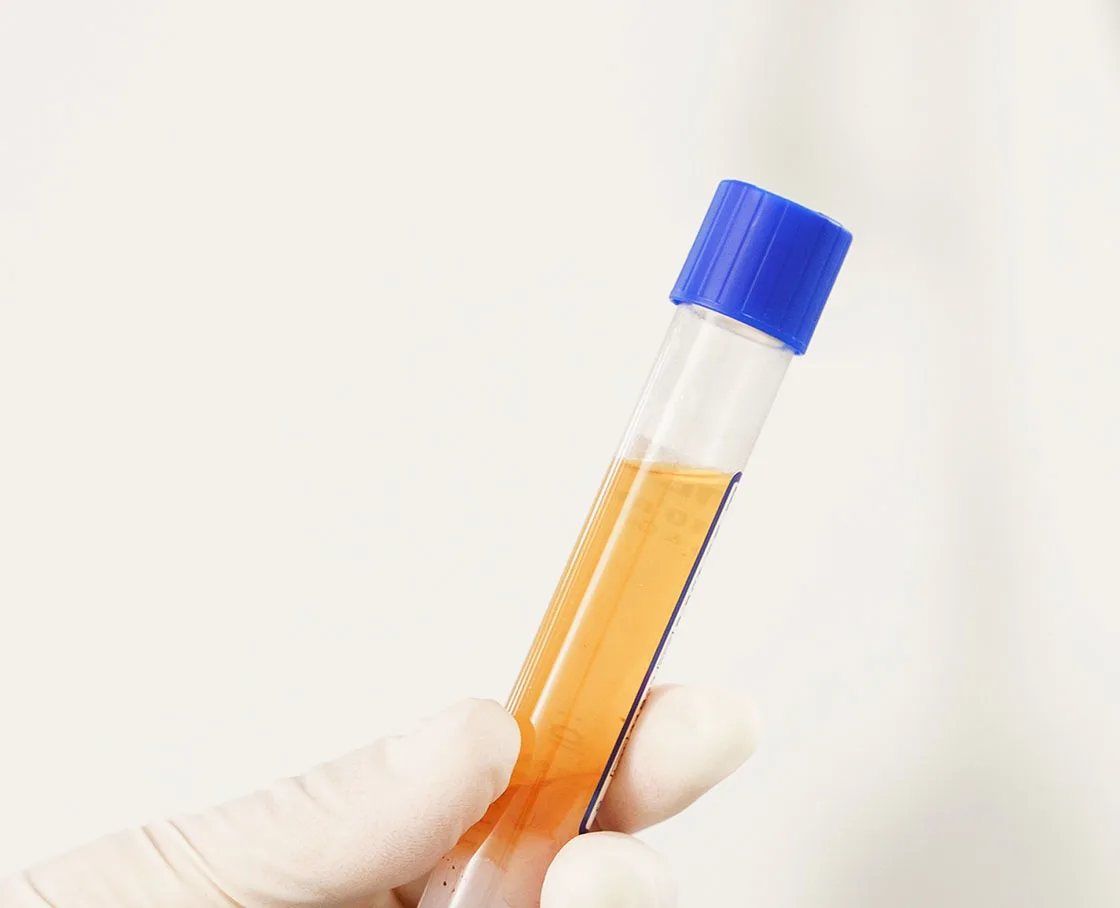
PRP therapy uses concentrated platelets derived from your pet's own blood. These platelets contain naturally occurring growth factors that may help support the body's healing response and recovery process.
What Is PRP Therapy?
PRP therapy begins with a small blood sample collected from your pet.
The blood is processed using specialized equipment to concentrate platelets and other beneficial components. The platelet-rich plasma is then administered to the area being treated as part of an individualized treatment plan.
Because PRP is derived from your pet's own blood, it is considered an autologous treatment.

Conditions That May Benefit from PRP Therapy
PRP therapy may be considered for pets experiencing:
Osteoarthritis
Joint discomfort
Ligament injuries
Tendon injuries
Soft tissue injuries
Orthopedic conditions
Certain chronic inflammatory conditions
Recovery from musculoskeletal injuries
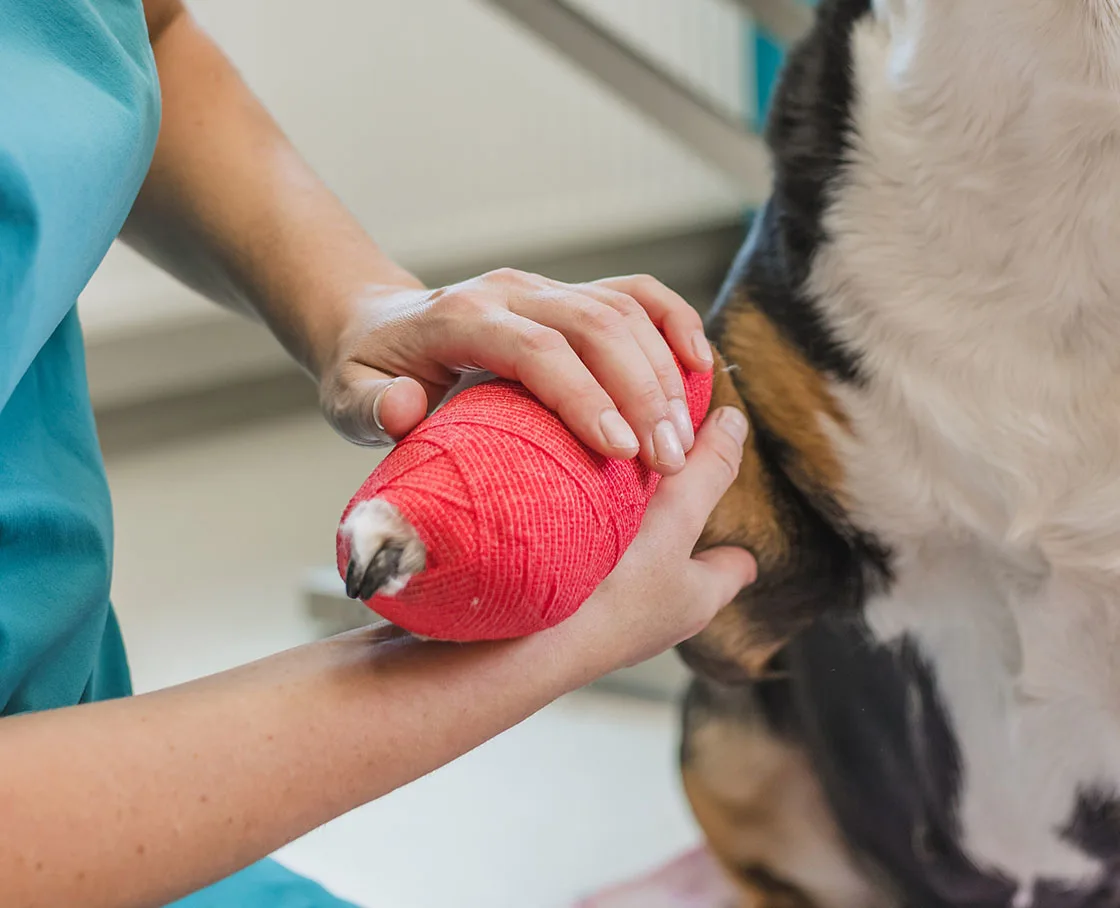
Not all pets or conditions are candidates for PRP therapy. Your veterinarian can help determine whether it may be an appropriate option.
How PRP Therapy Works
Platelets contain naturally occurring growth factors that play a role in the body's healing process.
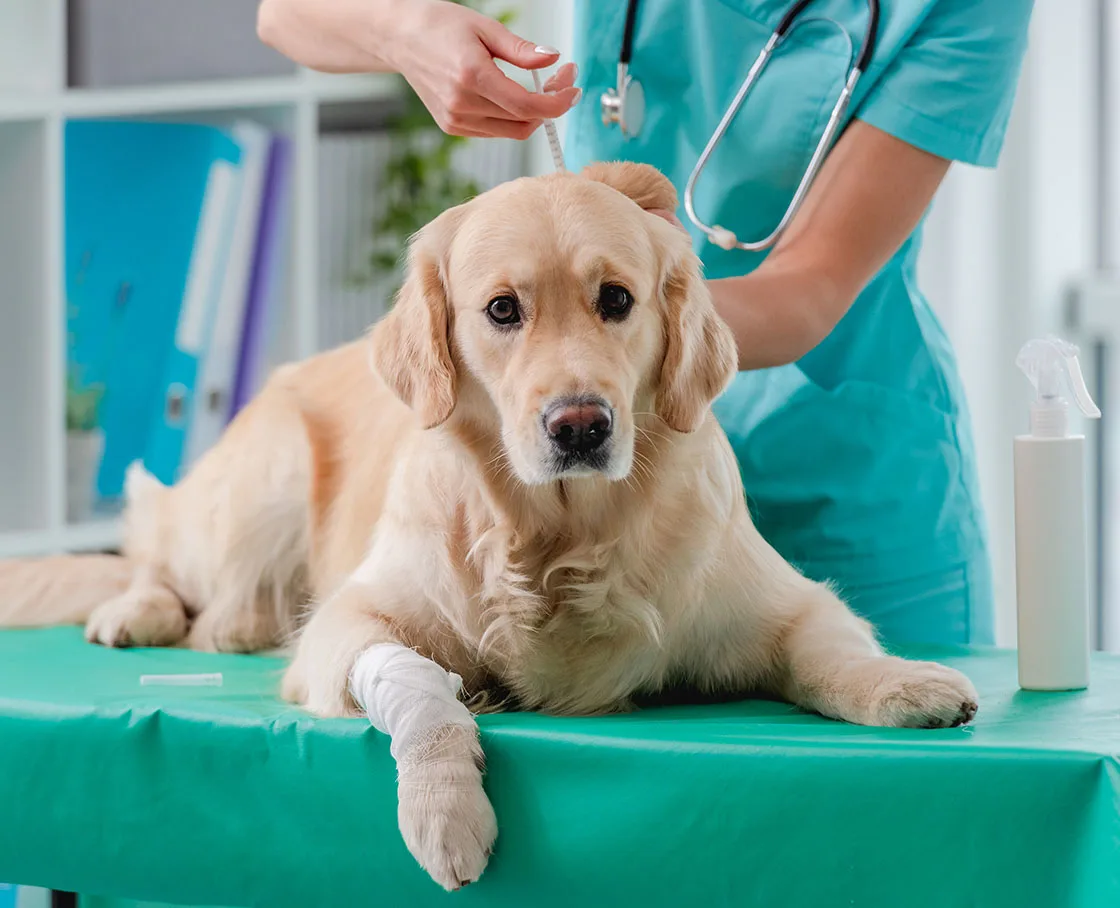
By concentrating these platelets and administering them to a targeted area, PRP therapy is designed to support tissue repair, reduce inflammation, and promote recovery as part of a comprehensive treatment plan.
Results vary depending on the individual pet, condition, and severity of injury.

What to Expect
Before recommending PRP therapy, your veterinarian may perform:
A physical examination
Diagnostic imaging
Laboratory testing
Evaluation of your pet's medical history
Assessment of current treatments and mobility
Based on these findings, your veterinarian will determine whether PRP therapy may be beneficial and discuss treatment expectations.
Potential Benefits
PRP therapy may help support:
Comfort and mobility
Recovery from injury
Joint function
Long-term management of orthopedic conditions
Overall quality of life
Treatment outcomes vary among individual pets, and multiple therapies may be recommended depending on the condition being treated.
PRP as Part of a Comprehensive Care Plan
PRP therapy is often used alongside other treatment approaches, which may include:
Medications
Weight management
Rehabilitation exercises
Physical therapy
Joint health support
Ongoing monitoring and follow-up care
Your veterinarian will develop a treatment plan based on your pet's individual needs and goals.
Frequently Asked Questions
What is PRP therapy?
PRP, or platelet-rich plasma therapy, is a regenerative treatment that uses concentrated platelets from your pet's own blood to support healing and recovery.
What conditions can PRP therapy help manage?
PRP therapy is most commonly used for orthopedic, joint, tendon, ligament, and soft tissue conditions, as well as certain chronic inflammatory issues.
Is PRP therapy a replacement for surgery?
Not necessarily. Depending on the condition, PRP therapy may be used alongside other treatments or as part of a broader management plan. Your veterinarian can discuss the most appropriate options for your pet.
Is PRP therapy safe?
Because PRP is derived from your pet's own blood, it is generally well tolerated. Your veterinarian will review any potential risks and determine whether your pet is a good candidate.
How long does it take to see results?
Response times vary depending on the condition being treated and the individual pet. Some pets may experience improvement within weeks, while others may require additional time or treatments.
How do I know if my pet is a candidate for PRP therapy?
A veterinary examination and diagnostic evaluation are typically needed to determine whether PRP therapy may be an appropriate option for your pet.
Book an Appointment at Clearlake Veterinary Clinic
New pets are always welcome at Clearlake Veterinary Clinic. Our friendly veterinary staff looks forward to providing our neighbors in the area and surrounding communities with the veterinary care they need.
